October 29, 2026
Renovating a bathroom involves a lot of decisions, and finding the right countertop is one of them. Bathrooms that are used daily must withstand moisture, frequent cleaning, and heavy traffic. The market offers a wide variety of materials ranging from elegant natural stones to durable synthetic composites, with each bringing its own aesthetic qualities.
Navigating this process requires a balance of style, functionality, and budget. You'll want a surface that enhances the visual appeal of your cabinets while remaining practical. Some homeowners prioritize low maintenance, while others seek the unique beauty of natural veining. By breaking down priorities and understanding material characteristics, you can make an informed choice that elevates your bathroom design.
Assess Your Usage and Maintenance Needs
Before falling in love with a specific pattern, it's helpful to evaluate how your household uses the space. A master bath used by two careful adults faces very different wear compared to a shared family bathroom utilized by three energetic children. High traffic areas demand surfaces that resist scratches, stains, and constant water exposure. Think about whether you often leave hot hair tools on the surface or if cosmetics frequently spill.
Maintenance requirements vary between materials, influencing long-term satisfaction. Some surfaces need regular sealing to prevent moisture penetration and staining, adding an ongoing task to your schedule. If you prefer a wipe-and-go solution, porous materials won't fit your lifestyle.
Another critical factor is the cleaning products you currently use. Harsh chemical cleaners can etch certain finishes, requiring you to switch to specialized pH-neutral formulas. If you don't want the hassle of changing disinfectants, narrow your search to durable, non-porous options. A realistic assessment ensures your chosen surface remains pristine without causing stress.
You should also factor in the likelihood of future repairs if an accident occurs. Some solid surface materials allow you to buff out minor scratches with fine sandpaper, while a cracked natural stone slab might require professional restoration. Choosing a material that matches your household dynamics and maintenance preferences is the fundamental first step in buying new countertops.
Compare Natural Stone and Engineered Options
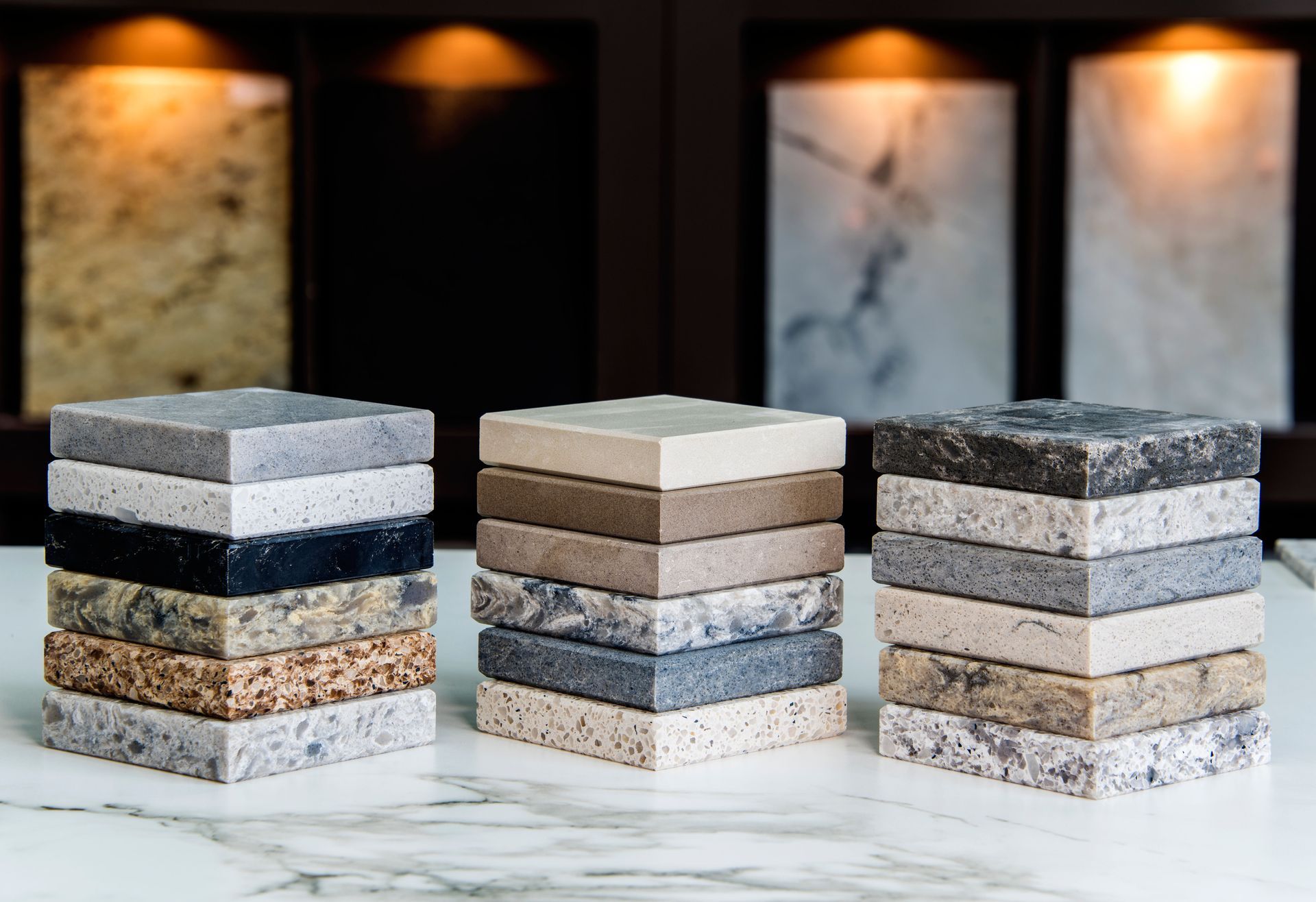
The debate between natural stone and engineered materials is a core consideration for any homeowner planning an upgrade. Natural stone offers unparalleled beauty, with each slab featuring distinct veining, colors, and mineral deposits formed over millions of years. Materials like marble and quartzite provide a luxurious aesthetic that many buyers covet. However, natural stone tends to be porous, making it vulnerable to stains from spilled makeup if not properly sealed.
According to The Spruce, granite countertops are composed of 100% natural stone. With an authentic, earth-born appeal, its dense composition resists heat and scratches, making it a popular choice for busy bathrooms. The organic variations in granite mean your vanity surface will look unique, adding custom character to the room.
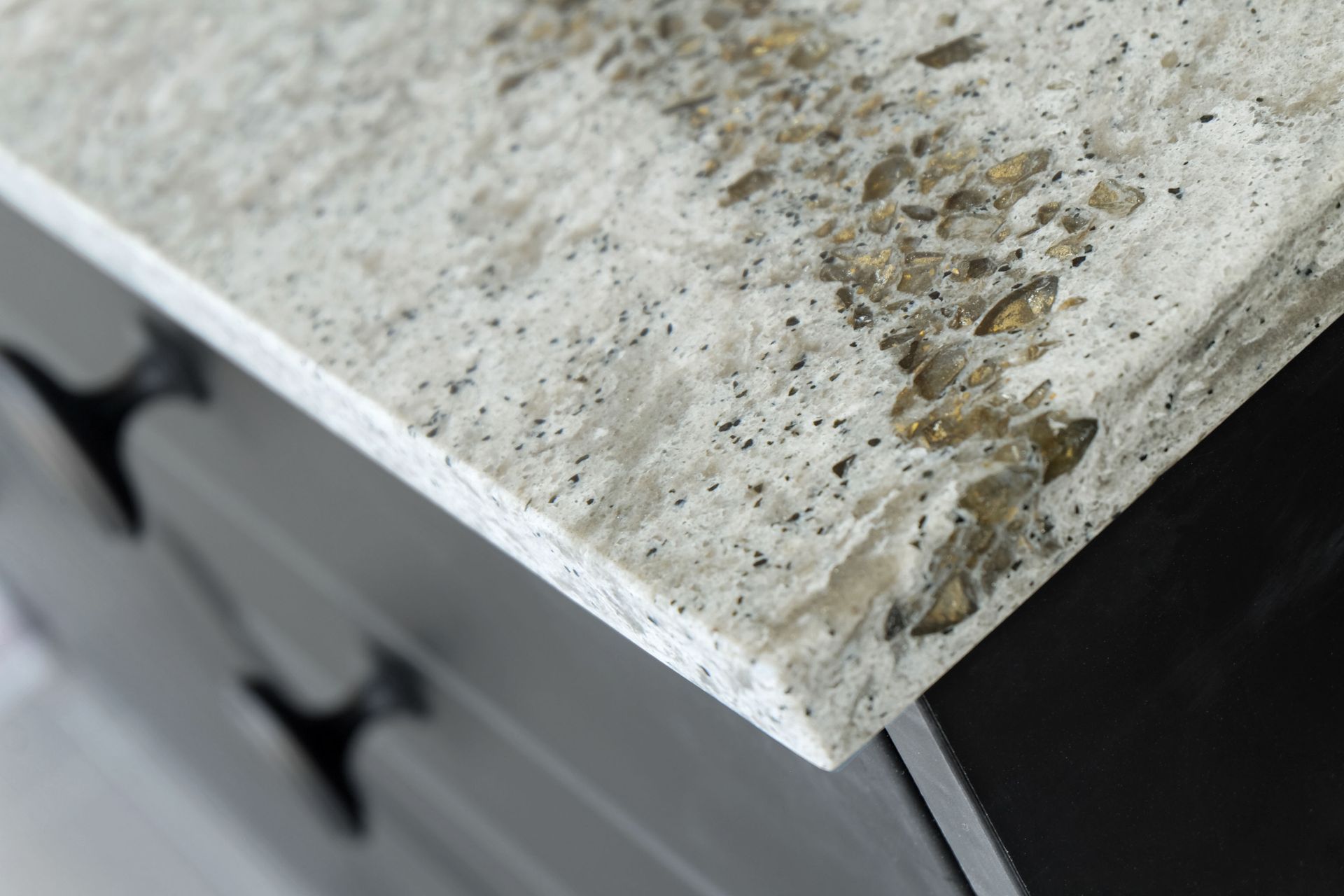
Engineered materials, such as quartz and solid surface composites, present a compelling alternative to naturally occurring stone. Manufacturers create quartz slabs by combining crushed natural quartz with polymer resins, resulting in a non-porous surface that requires no sealing. This process allows for consistent patterns and uniform colors, resulting in a sleek, modern, or predictable aesthetic.
Engineered options often mimic the look of premium natural stones while providing enhanced durability and easier maintenance. Solid surface materials offer seamless integration with sinks, eliminating the grout lines where dirt typically accumulates. By comparing the intrinsic qualities, maintenance demands, and visual appeal of both natural and engineered categories, you can determine which route aligns with your long-term vision.
Consider Cost-Effective Remnant Slabs
Bathroom vanities require less material than a full kitchen renovation, opening up a budget-friendly purchasing strategy. Instead of buying a full slab, ask about remnant slabs left over from larger projects. Remnants are the remaining pieces from full slabs that fabricators hold onto after completing a commercial job. Purchasing these leftover sections is an excellent way to secure premium materials at a fraction of their retail price.
Shopping for remnants allows you to access luxury materials that might otherwise fall outside your budget. You might find rare imported marble or a high-end quartz design that perfectly fits your vanity dimensions. Fabricators are motivated to clear out this excess inventory, giving you leverage to negotiate favorable pricing. This approach maximizes your purchasing power without sacrificing the visual impact of the final installation.
You might need to be flexible regarding your color choices. Remnant inventory is inherently unpredictable, changing daily based on recent projects. You might not find a specific shade of white you initially envisioned. However, maintaining an open mind often leads to discovering unexpected materials that inspire the rest of your color palette.
To make the remnant strategy work, approach suppliers with your vanity measurements in hand. Not all leftover pieces will accommodate a large double vanity, and some might require creative cutting or seaming to fit your space. You should also verify that the remnant has enough square footage to include any desired backsplashes. Careful planning and accurate measurements ensure you can take full advantage of these significant material discounts for your bathroom countertops.
Coordinate With Sinks and Fixtures
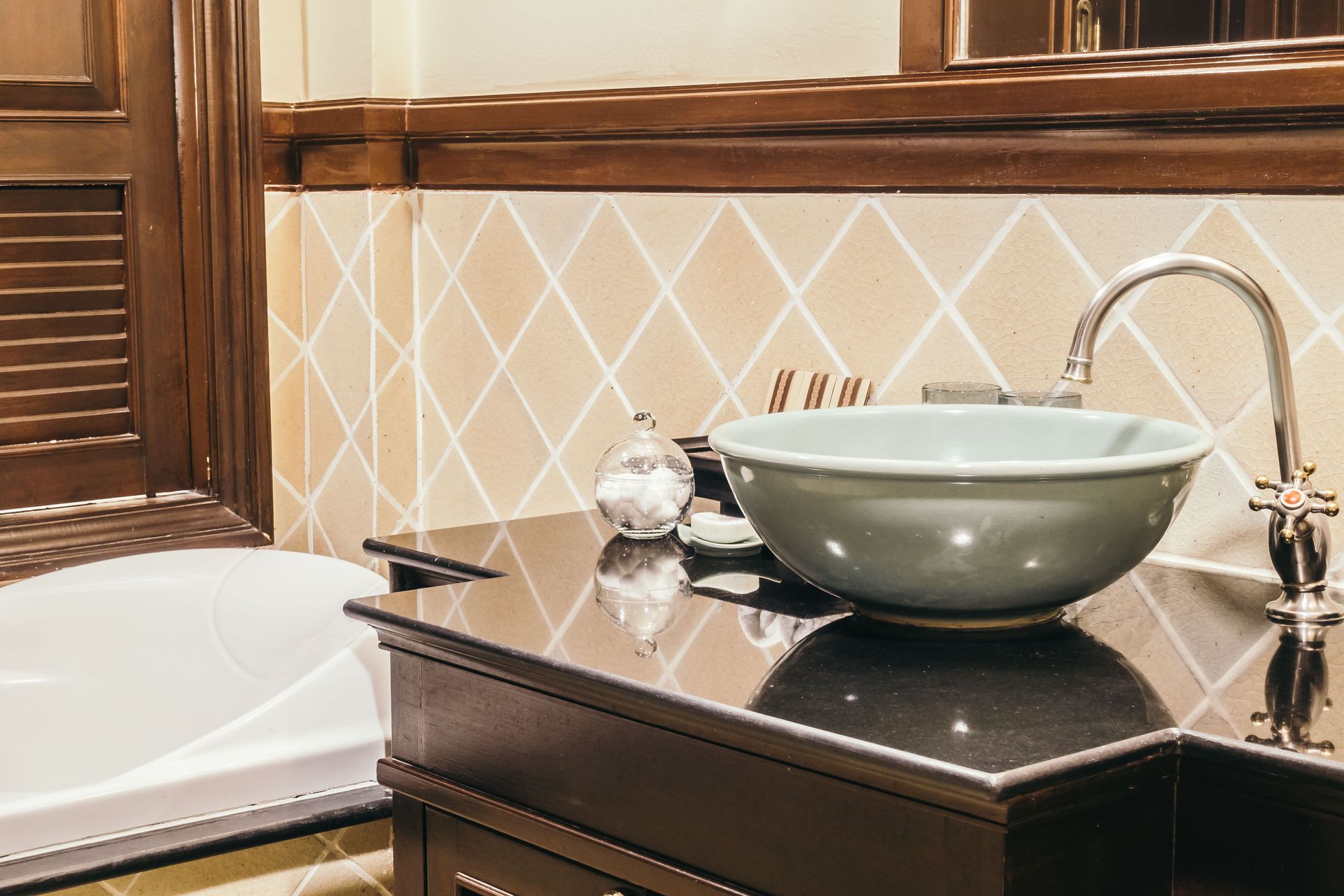
A successful design relies on the seamless integration of all components, making it vital to coordinate your chosen material with your sinks. The type of sink you plan to install directly impacts the fabrication of your vanity surface. Sinks mounted beneath countertops require polished edges around the cutout, which looks beautiful with solid stone but might not suit all laminate options.
The visual weight and color of your sink should harmonize with the tones present in the vanity surface. A crisp white porcelain sink creates a striking contrast against a dark stone, while a hammered copper basin pairs beautifully with warm materials. Look at physical samples under different lighting conditions to avoid clashing undertones.
Plumbing fixtures and hardware also play a crucial role in the overall coordination process. The finish of your faucets and drawer pulls should complement the veining or flecks of color within the vanity material. For instance, brushed gold fixtures beautifully highlight the warm mineral deposits in certain natural stones, while matte black hardware provides a striking edge to sleek surfaces.
You should account for the physical space required for your chosen fixtures when planning the layout of the surface area. Widespread faucets need three distinct holes drilled into the material, whereas single-handle models require only one. Purchase all plumbing hardware before the fabricator begins cutting to ensure holes are sized correctly for your bathroom countertops.
Taking the time to evaluate all aspects of your renovation ensures you select countertops that serve your household for years. By analyzing your routines and maintenance capabilities, you lay a practical foundation for your decision. Comparing the distinct benefits of natural stone versus engineered composites allows you to balance your aesthetic desires with functional reality. Exploring budget-friendly options like remnant pieces can unlock premium materials that elevate your space without straining your finances.
Your bathroom should function as a comfortable retreat that easily handles the demands of daily life. Coordinating your vanity material with the right sinks and hardware creates a cohesive, thoughtfully designed environment that adds significant value to your home. With careful planning and a clear understanding of the available options, you can confidently invest in a material that elevates the room into a stunning visual centerpiece.
When you're ready to start your bathroom renovation, contact Cabinets & Counters to find the right countertops for your home.