May 24, 2026
In the realm of modern kitchen design, selecting the ideal surface material significantly impacts both the visual appeal and daily functionality of your home. This comprehensive comparison focuses on two of the most popular premium surfaces available today: engineered quartz and natural granite. By exploring the unique structural attributes, care requirements, and long-term value of each option, homeowners can make an informed decision that perfectly aligns with their culinary lifestyle and aesthetic preferences.
Structural Composition and Visual Appeal
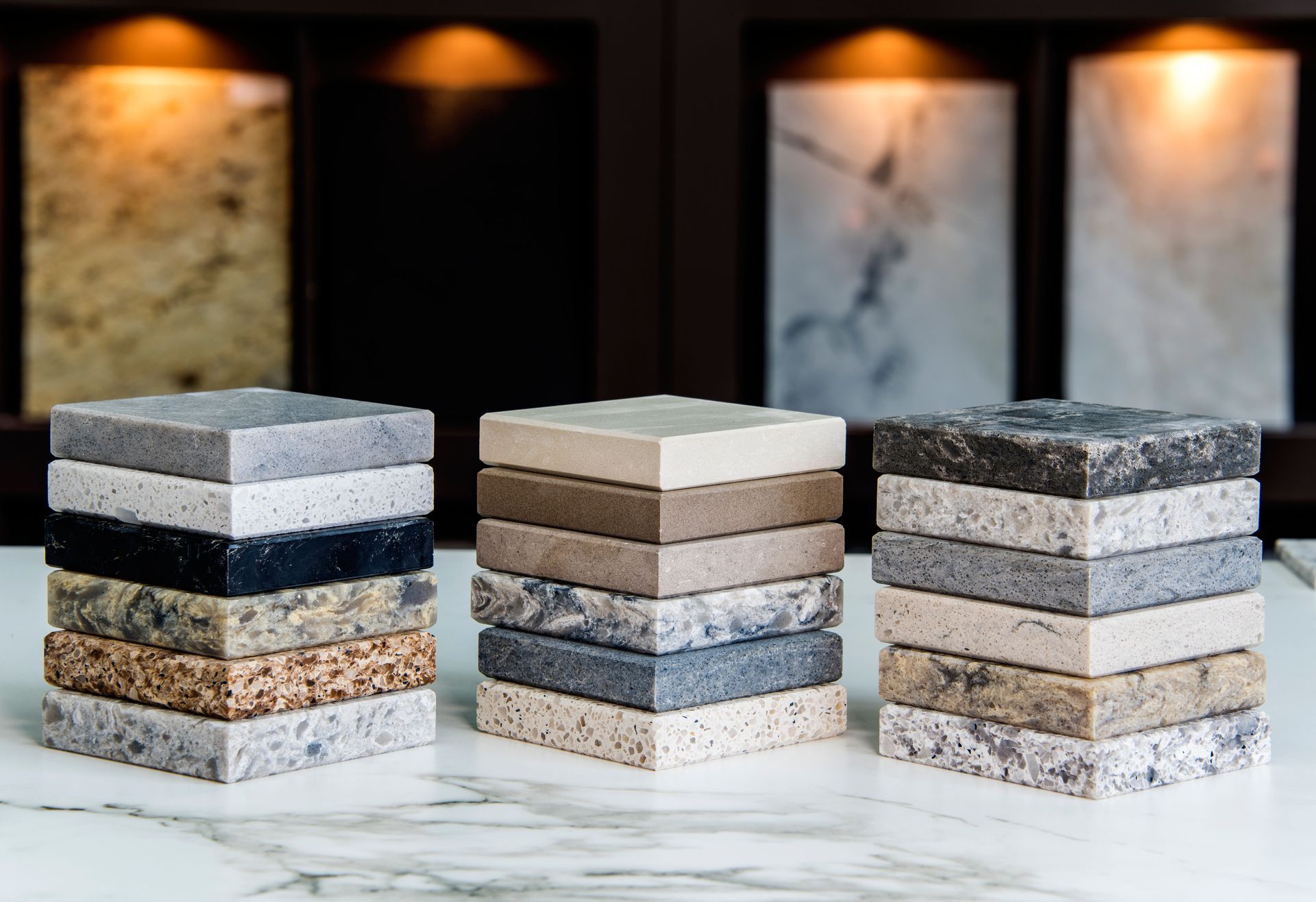
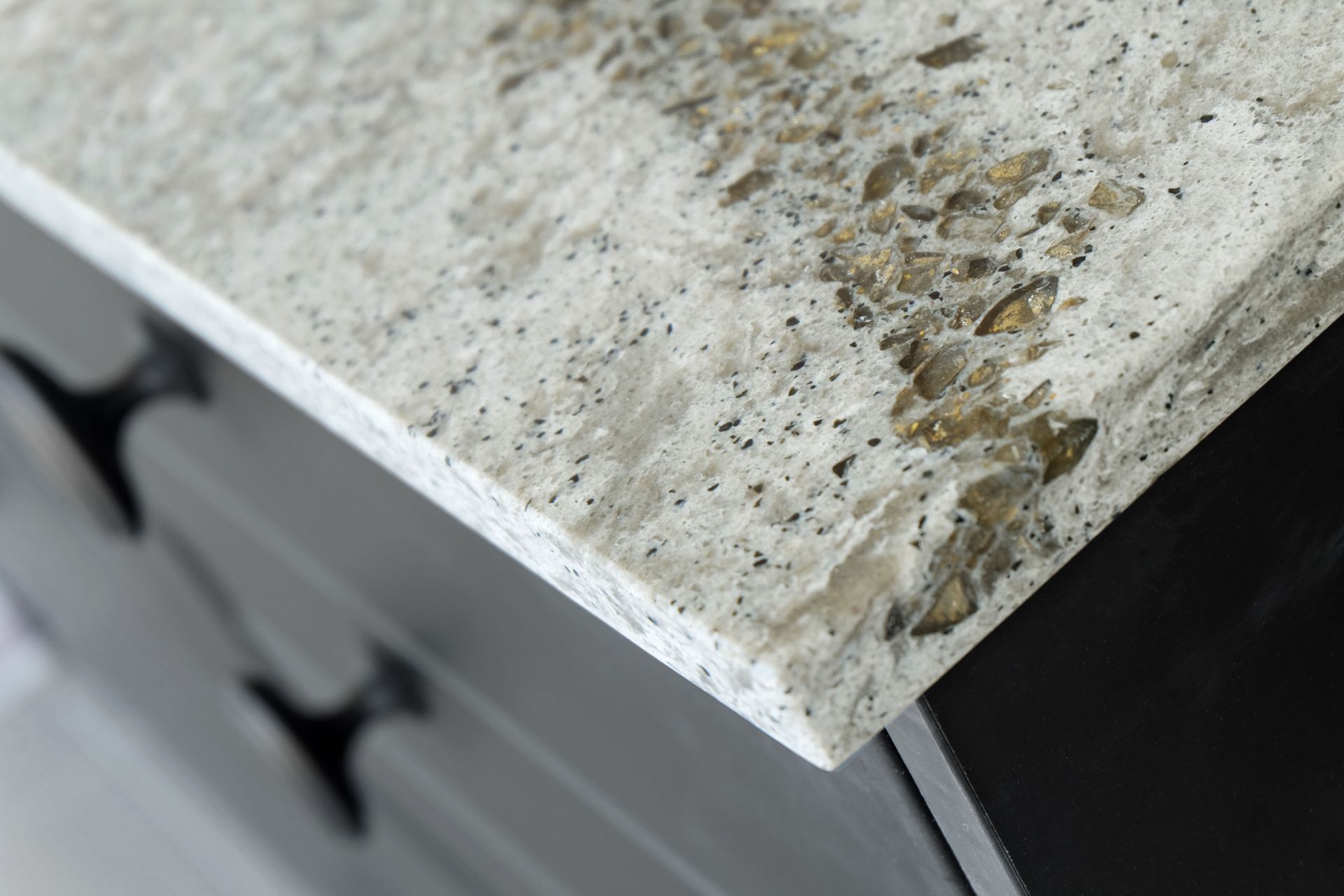
Quartz surfaces are meticulously engineered using approximately 90% to 95% crushed natural quartz crystals, which are then bound together with high-quality synthetic resins and pigments under extreme heat and pressure. This controlled manufacturing process yields an incredibly dense, solid surface that remains completely uniform in pattern and shade from one end of the slab to the other. Because it is engineered, this material easily mimics the intricate veining of rare marbles or the organic texture of concrete, providing incredible design flexibility for modern spaces. Homeowners who favor clean lines and predictable aesthetics frequently select a professional quartz countertop service to achieve a flawless, cohesive look throughout their kitchen layout.
Natural Uniqueness of Earth Born Stone
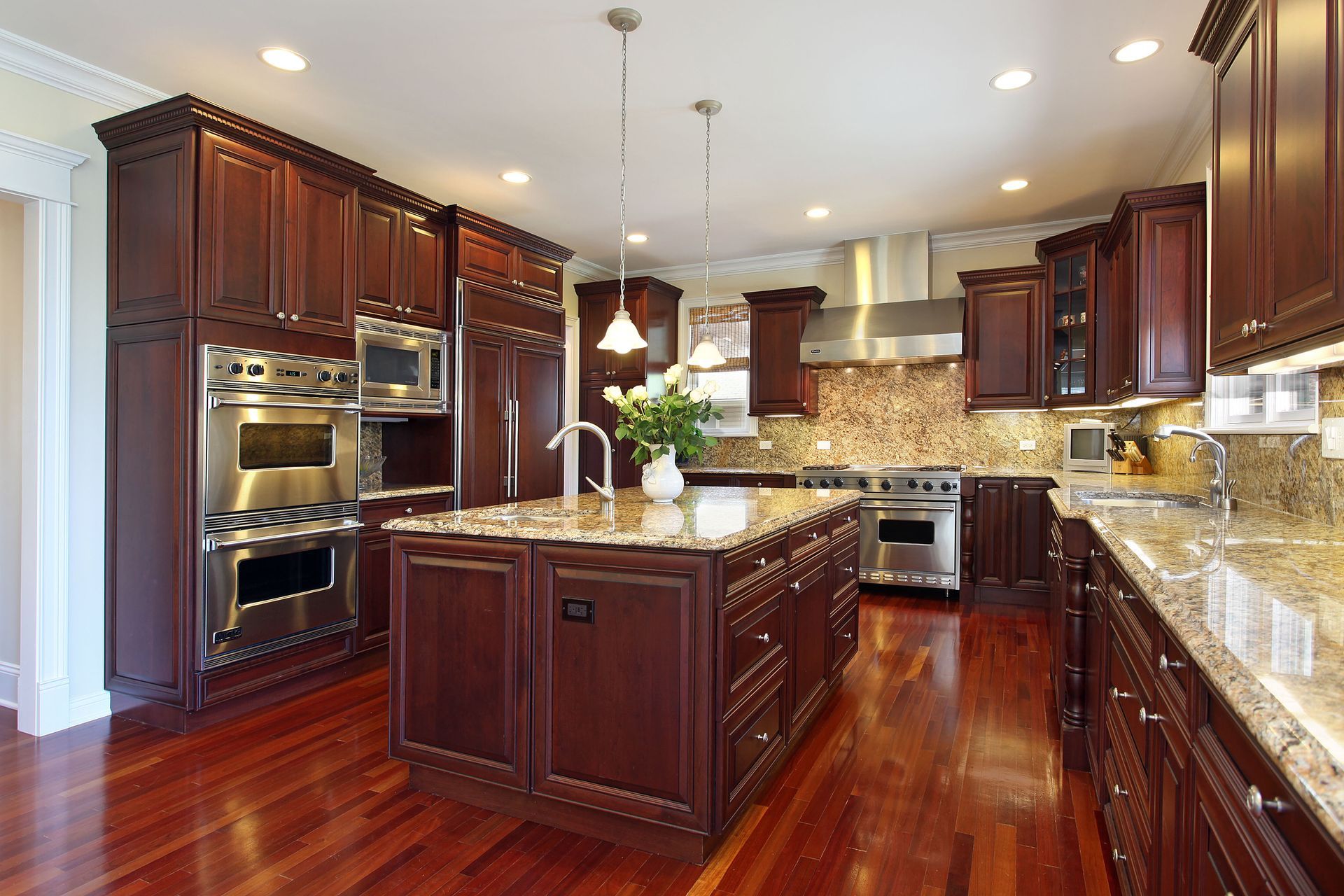
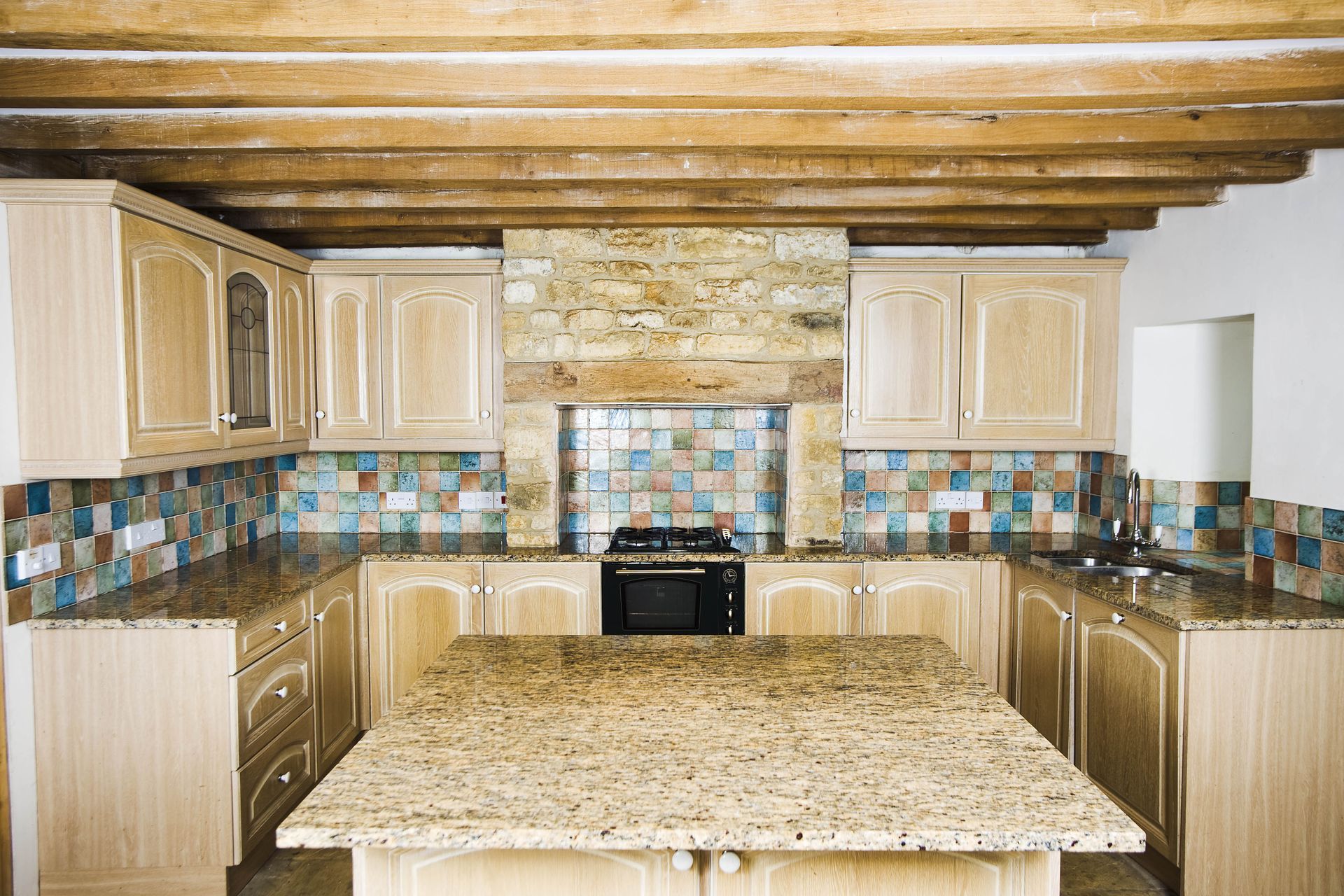
In contrast to manufactured materials, granite is a completely natural igneous rock quarried directly from beneath the earth's surface and sliced into solid slabs. The magnificent patterns, swirling veins, and rich speckles found within granite are formed over millennia through the cooling and solidification of molten magma. This organic process ensures that absolutely no two slabs are alike, offering a truly unique masterpiece for your kitchen island or workspace. While the natural variations provide unmatched character, they do require a bit more coordination during the selection process to ensure the underlying tones match your cabinetry perfectly.
Daily Resiliency and Scratch Resistance
When assessing how well a workspace stands up to daily kitchen hazards, scratch resistance is paramount. Engineered surfaces excel in high-traffic households due to the sheer hardness of the combined quartz crystals and resin binders. Dropped utensils, heavy pots, and accidental knife slips are rarely an issue for this robust material. Granite also ranks incredibly high on the mineral hardness scale, making it highly resistant to abrasions, though it can still occasionally suffer minor chips if struck forcefully on an edge with a heavy cast-iron pan. Choosing a dedicated quartz countertop service ensures that the material is structurally sound and prepared for years of intensive meal preparation.
Stain Protection and Porosity Factors
The primary functional difference between these two materials lies in how they handle liquid spills. Because engineered quartz is completely non-porous, it creates an impermeable barrier against common staining agents like red wine, coffee, olive oil, and citrus juices. This inherent trait also prevents the accumulation of bacteria within the surface, making it exceptionally hygienic. Granite, being a natural stone, contains micro-pores that can absorb liquids if left untreated. To maintain its pristine appearance and prevent deep staining, granite requires the periodic application of a protective liquid sealer, whereas an engineered surface never needs to be sealed.
Heat Tolerance in Hot Zones
For individuals who cook heavily and frequently move hot cookware directly from the stove to the counter, granite offers superior heat tolerance. As a natural volcanic rock, it can withstand extreme temperatures without cracking or discoloring. Engineered quartz surfaces, while highly durable, contain polymer resins that can sustain permanent thermal shock or scorching if exposed to direct, intense heat. Utilizing a professional quartz countertop service provides homeowners with the proper guidance on using trivets and hot pads to preserve the flawless finish of their engineered surfaces for decades.
Streamlined Cleaning and Care Routines
Maintaining the luster of an engineered stone countertop requires very little effort from the homeowner. Because the surface resists moisture and grime, a simple daily wipe-down with mild dish soap and warm water is all that is required to keep it looking new. Harsh chemical cleansers or abrasive scrubbing pads are completely unnecessary. Granite demands a slightly more mindful cleaning routine, as highly acidic cleaners or vinegar can gradually degrade the protective topical sealer over time. Keeping a granite surface immaculate involves using specialized pH-neutral stone cleaners alongside regular resealing schedules.
Long Term Value and Household Investment
Investing in high-end kitchen surfaces invariably boosts the overall financial value and marketability of a residential property. According to Mordor Intelligence, quartz has emerged as the leading choice for kitchen countertops in remodeled homes, accounting for 42% of installations, followed by granite at 24%. Both materials represent an excellent allocation of a home improvement budget, as they outlast cheaper laminate or tile alternatives by decades. The total cost for either material fluctuates based on the color rarity, slab thickness, and layout complexity, but the enduring performance makes either a fantastic asset for your home.
Environmental Footprint and Sustainability Considerations
For many modern homeowners, the ecological impact of their renovation materials plays a pivotal role in the final decision-making process. Natural granite is harvested directly from the earth, which requires significant energy for quarrying and international transportation, yet it stands as an entirely raw, organic product with no synthetic chemical additives. On the flip side, manufactured quartz surfaces utilize abundant, leftover crushed stone aggregates, effectively repurposing manufacturing byproducts. However, they do rely on petroleum-based acrylic or polymer resins to bind the crystals together. When analyzing longevity, both materials excel by keeping waste out of landfills for generations due to their sheer durability. Homeowners looking to minimize their environmental footprint should consult with their local quartz countertop service or stone provider to source slabs manufactured under strict environmental standards or certified for low chemical emissions.
Harmonizing with Kitchen Lighting Layouts
The way natural and artificial light interacts with your kitchen surfaces can completely alter the ambiance of the room. Engineered quartz possesses a highly predictable, consistent reflective index, making it an excellent choice for modern spaces featuring extensive under-cabinet LED strip lighting or recessed task lights. Because the pattern is uniform, it bounces light evenly across the room without creating unexpected glare zones or revealing hidden shadow patches. Natural granite, however, behaves like a dynamic canvas under changing light conditions. The embedded mica flakes, quartz deposits, and deep crystalline structures catch morning sunlight and evening ambient lighting differently throughout the day, creating a mesmerizing, shifting depth. Choosing the right surface involves understanding how these lighting shifts interact with the stone's finish, whether you opt for a high-gloss polished sheen or a muted, matte leather texture.
Making the Final Choice for Your Home
Ultimately, choosing between these two exceptional materials depends entirely on your personal style preferences, cooking habits, and willingness to perform routine stone maintenance. If you desire a completely unique piece of natural history that can handle hot pans directly, granite is an exceptional choice. However, if your goal is to secure a completely stain-resistant, low-maintenance surface with a modern, uniform appearance, investing in a quartz countertop service is the ideal pathway forward.
Precision Fitting and Final Execution
Regardless of whether you choose the uniform elegance of engineered stone or the dramatic flair of natural granite, professional installation is absolutely vital to the success of the project. These slabs are incredibly heavy and require specialized machinery to cut, transport, and secure safely. Professional installers possess the tools necessary to minimize visible seams, level the sub-counters perfectly, and cut precise openings for under-mount sinks and cooktops. Securing a reliable quartz countertop service guarantees that your selected material is integrated flawlessly with your existing cabinetry for a spectacular final result.
Ultimately, choosing between these two exceptional materials depends entirely on your personal style preferences, cooking habits, and willingness to perform routine stone maintenance. If you desire a completely unique piece of natural history that can handle hot pans directly, granite is an exceptional choice. However, if your goal is to secure a completely stain-resistant, low-maintenance surface with a modern, uniform appearance, investing in a quartz countertop service is the ideal pathway forward. To explore an extensive selection of premium slabs and receive specialized guidance for your upcoming kitchen transformation, reach out to the professional team at Cabinets & Counters.